
There are moments in life when the choices before us seem impossible.
For Candis Best, one of those moments came in December 2022, when she was faced with making final arrangements for her only sibling, Dawn.
Burial was not an option for the family. That meant the only alternative available to them was flame based cremation.
But Best struggled deeply with that choice because Dawn was more than just a sister.
“She was my best friend,” Best recalls. “The person I loved more than my own life. And the thought of setting her remains on fire was more than I could bear.”
What made the decision even more painful was that Best knew there was another possibility. Water cremation existed. But it wasn’t available where she lived.
So she made the only choice she felt she had, and tried to put the experience out of her mind. She didn’t get much time to do so.
Five months later, her mother died.
Once again, Best was confronted with the same decision.

Once again, she knew about water cremation. And once again, it wasn’t an option available to her. “It was absolutely devastating for me,” she says.
Out of that experience came an idea: If she couldn’t have another choice when her own family needed one, perhaps she could help make that choice available to someone else.
In 2023, Best founded Leaf & Water. The company officially began operations in August 2025, with a mission to provide families with another option for saying goodbye.

A Different Kind of Cremation
Water cremation—also known as alkaline hydrolysis or aquamation—may be unfamiliar to many people.
Unlike traditional cremation, there is no flame.
Instead, the process uses water, heat, and an alkaline solution to accelerate the natural decomposition process.
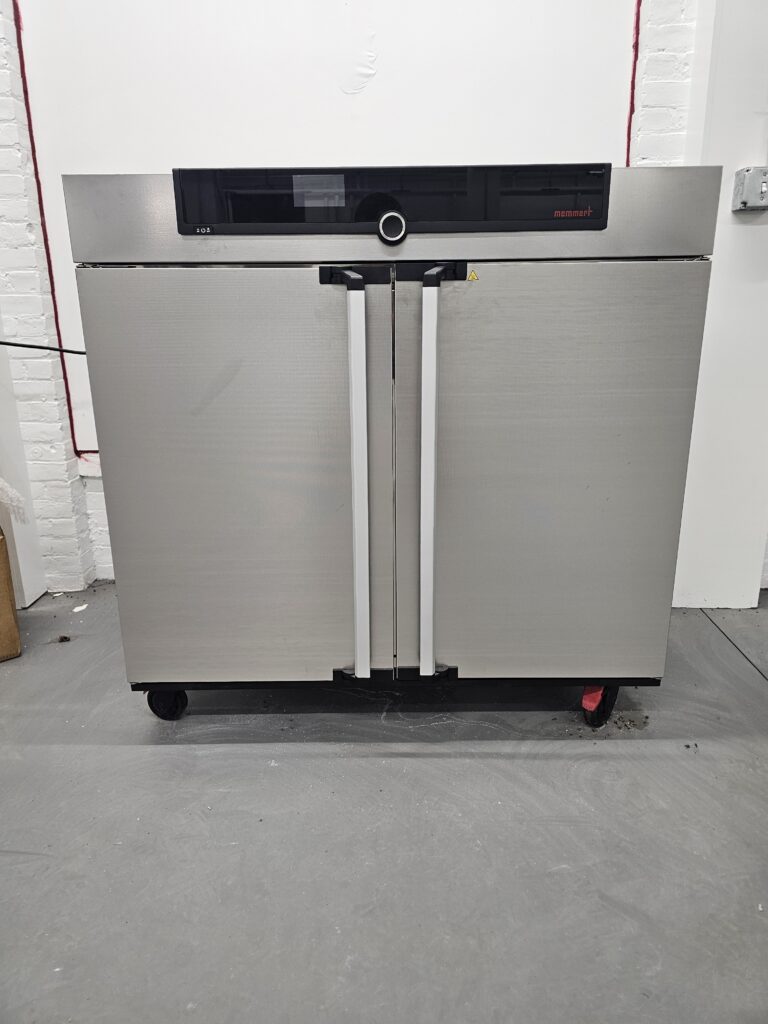
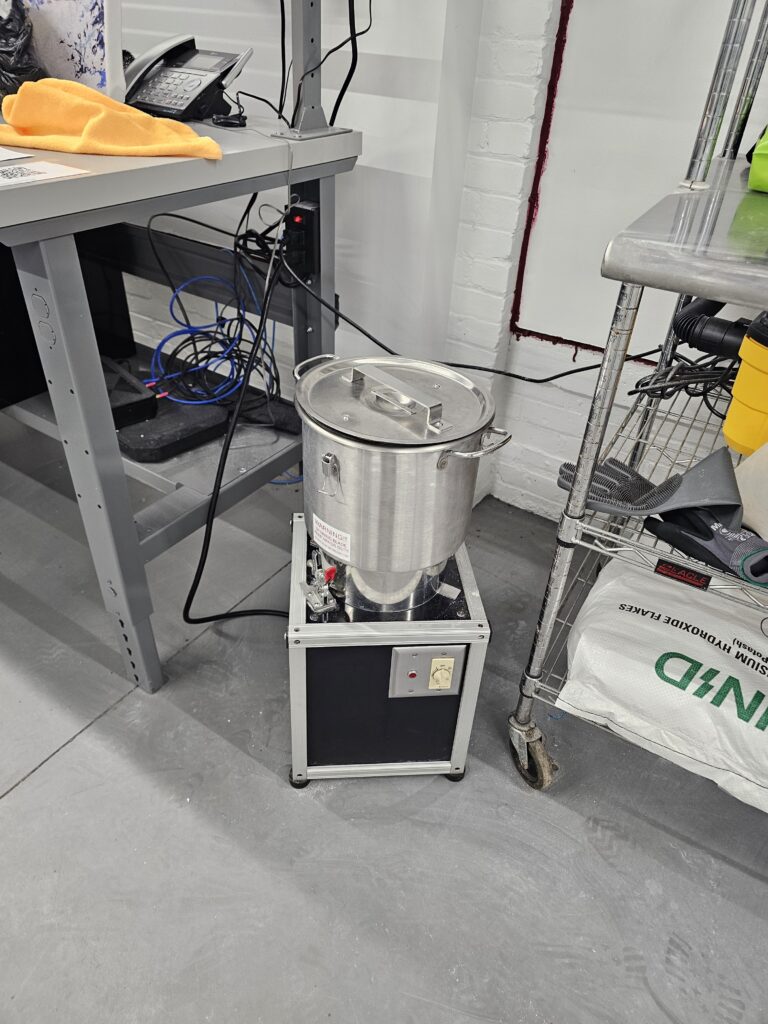
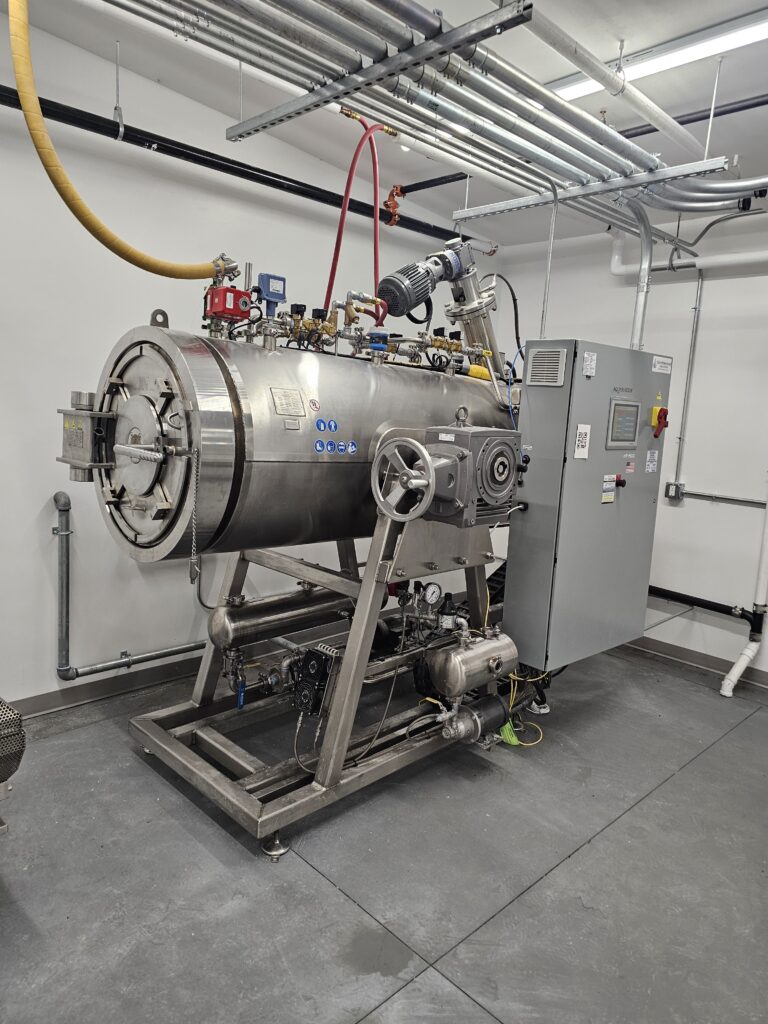
A loved one’s body is placed in a specially designed chamber containing water and potassium hydroxide. The solution is heated to roughly 300 degrees Fahrenheit and gently circulated around the body. Over several hours, tissues break down into their natural elements, leaving bone fragments behind.
Those fragments are then dried and processed into a fine powder that is returned to the family.
The entire process generally takes about three to five hours, followed by additional time to dry and process the remains.
For Best, however, explaining the mechanics is only part of the story.
The emotional difference matters just as much.
“I believe that it is just a more gentle and more respectful process,” she says.
Not Fire. Not Acid. Something Closer to Nature.
The idea of water cremation can initially raise questions. If an alkaline solution is involved, does that mean a loved one is being dissolved in acid?
No.
Potassium hydroxide is alkaline, which is the opposite of acidic. It is also the active ingredient in soap. In water cremation, the combination of water, heat, and alkalinity accelerates the natural decomposition process in a controlled, sterile environment.
Best compares it to what would happen naturally after death, only dramatically faster.
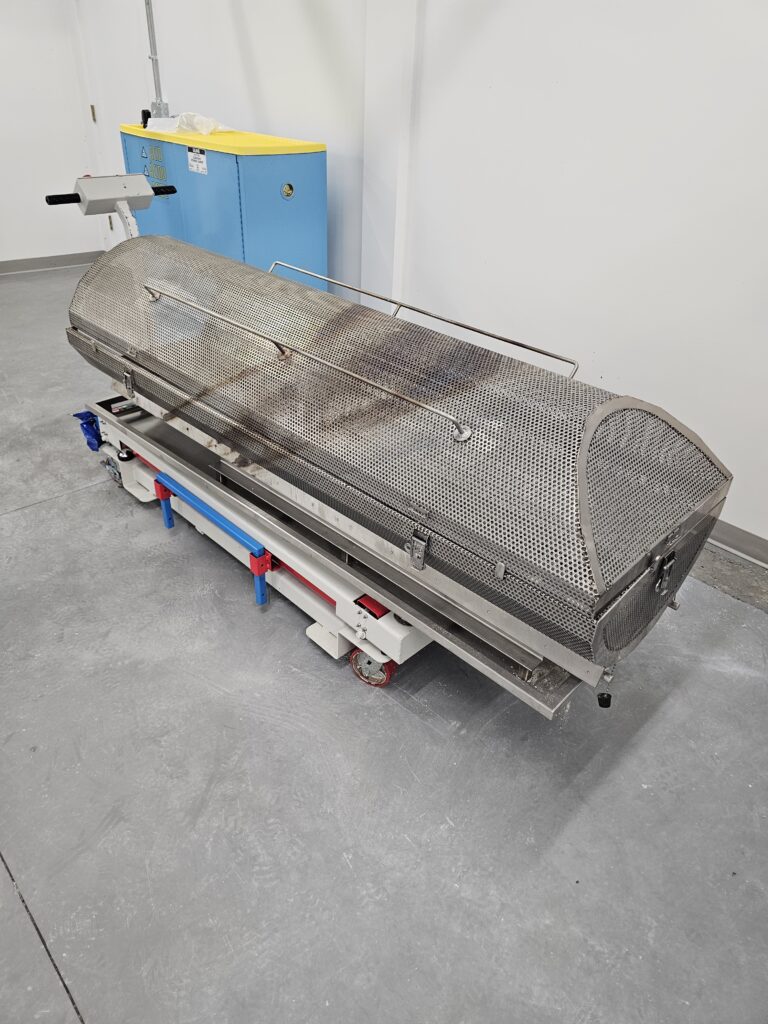
Under natural conditions, decomposition can eventually reduce a body to skeletal remains. Water cremation accelerates that process from weeks to hours.
Once the process is finished, the remaining bone fragments are dried and processed into a fine powder.
The result is different from traditional cremated remains. Because the bones have not been burned, the final material is described as a fine, white powder rather than the gray, gritty consistency often associated with flame cremation.
Caring for the Person Behind the Process
For families considering any form of final disposition, the process itself is only one part of the decision. There is also the question that can be difficult to put into words:
Will my loved one be treated with care?
Leaf & Water says that protecting the identity and dignity of each person entrusted to its care is a central priority.
When a loved one arrives at the facility, the company coordinates with the funeral home involved in the arrangements. Once physical custody is established, independent photo verification can be performed with the family or a designated representative. Durable metal identification tags and tracking codes are used throughout the process.

Those details may sound procedural, but for a grieving family, they can provide something precious: reassurance.
Saying Goodbye Can Still Mean Celebrating a Life
Choosing water cremation does not mean giving up the rituals that help families grieve.
Families can still hold a funeral, memorial service, or celebration of life. The cremated remains are returned to the family after the process.
Leaf & Water also offers ways to preserve memories beyond the service itself.
Arrangements made directly with the company include a customizable online tribute site where families can share photographs, stories, and memories. Friends and relatives can contribute their own

messages, creating a gathering place that can remain available long after the funeral is over.
There are also tools to help families write an obituary and create memorial videos from photographs, video clips, and music.
For families who want to connect a physical memorial with those memories, the company can create a QR code linking to the tribute site. The code can be shared or incorporated into urns, keepsakes, and other memorial items.
In that way, the focus shifts from simply handling someone’s remains to remembering the person they were.
Giving Families a Choice
Leaf & Water currently serves families in Maine, New Hampshire, Vermont, Massachusetts, Rhode Island, Connecticut, New York, New Jersey, Pennsylvania, Delaware, and Maryland.
The company can also work with licensed funeral homes outside that service area and provide a custom quote.
The cost of direct water cremation through Leaf & Water ranges from $3,295 to $5,295 depending on the location of the departed . Costs can vary when arrangements are made through a funeral home, depending on location and additional fees.
Those practical details matter. But for Best, the reason behind the company goes back to something much more personal than a price or a process.
It goes back to Dawn.
It goes back to her mother.
And it goes back to the feeling of having to make an impossible choice at a time when she was already overwhelmed by grief.
Today, Best wants other families to know that they may have another option.
“My main message to everybody out there,” she says, “is that if you’re reading this article because you’re confronting a similar choice, you have my deepest condolences.”
Then she offers something more.
“You also have my promise that if entrusted with the privilege, my team and I will care for your loved one like our own.”
Death is something every family will eventually face. But the way we say goodbye can still be a choice.
For Candis Best, creating that choice for others is a way of turning two deeply painful experiences into something that might help another family through its own hardest day.
To learn more, visit Leaf & Water’s website.

Comment here