
Submitted from Cathedral Square.
Published in Health Services Research, a new cost-effectiveness analysis of Cathedral Square’s SASH® program documents extraordinary value for older Vermonters and individuals with disabilities, with results coming in at a fraction of standard healthcare benchmarks.

SOUTH BURLINGTON — A peer-reviewed study published this month in Health Services Research, one of the nation’s leading health policy journals, has found that Vermont’s Support and Services at Home (SASH®) model is a highly cost-effective health approach to keeping older adults healthy and helping them avoid catastrophic health crises, like strokes and heart failure. Participants gained more than a year of healthy life at a cost well below standard U.S. benchmarks.
The study, “Cost-Effectiveness of the Support and Services at Home (SASH) Program for Cardiovascular Risk Factors: A Community-Based Approach to Healthy Aging in Place,” was led by researchers at Virginia Commonwealth University and the University of Vermont, in partnership with Cathedral Square, the South Burlington-based nonprofit that created SASH in 2009. The analysis drew on health data from 6,154 SASH participants collected between 2017 and 2023.
What the Research Found
Using a Markov modeling approach, researchers found that SASH participants gained up to 1.3 additional life years and up to 1.0 quality-adjusted life years (QALYs) compared to similar individuals not in the program. QALYs are a standard measure that accounts for both length and quality of life.

The cost per QALY gained ranged from $4,013 to $8,344 depending on participant characteristics. That is a fraction of the $100,000 per QALY threshold widely used in the U.S. to evaluate whether a health intervention provides good value.
The gains were driven by a dramatic increase in appropriate blood pressure medication use and lifestyle interventions. At enrollment, as few as 6% of participants were on hypertension medication; after an average of 5.4 years, that figure had risen to between 40% and 68% depending on the participant group. Researchers also documented reductions in systolic blood pressure and smoking rates. Together, these changes significantly lowered participants’ risk of stroke, heart attack, and congestive heart failure.

Importantly, the study analyzed only cardiovascular disease-related costs and outcomes. The researchers note that if SASH’s impact on other health conditions were factored in, the true cost-effectiveness of the program would likely be much greater.
“What makes SASH so remarkable from a research standpoint is how definitively cost-effective it is. This isn’t even a close call. SASH is cost-effective under any widely accepted benchmark. The data show that for older adults in affordable housing, this kind of community-based wellness model isn’t just beneficial; it’s one of the most economical investments a health system can make.”
– Eline van den Broek-Altenburg, Ph.D., University of Vermont Larner College of Medicine, study co-author
A Vermont-Grown Model Built on Relationships
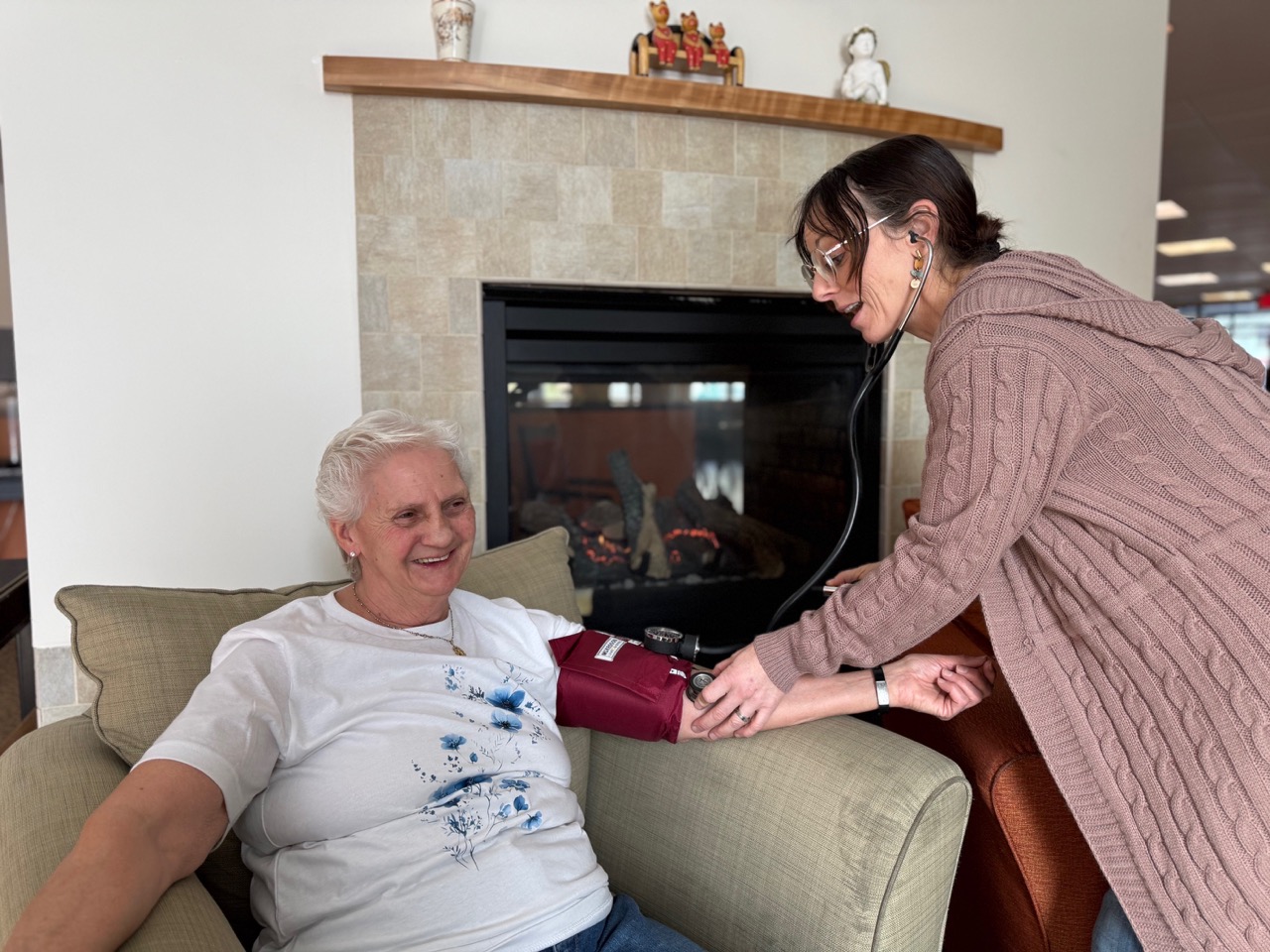
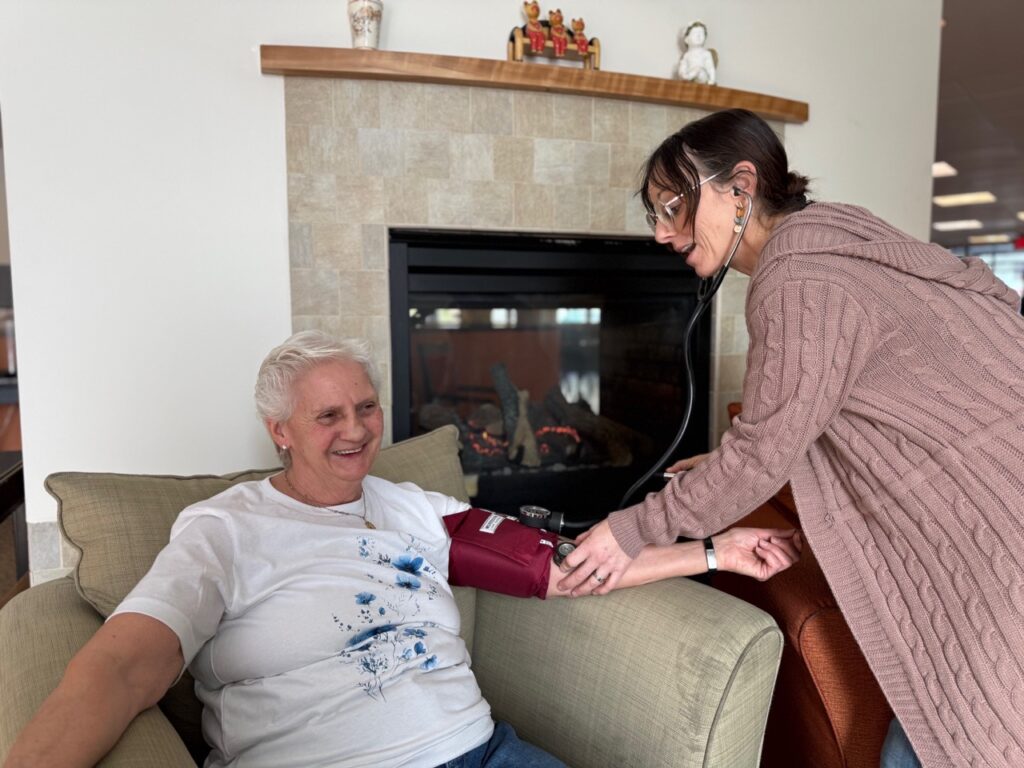
SASH is embedded in affordable housing and surrounding communities in every county across Vermont, serving older adults and individuals with disabilities. Each SASH panel connects up to 100 participants with a dedicated wellness nurse and care coordinator who conduct regular health assessments, develop individualized care plans, work with primary care and specialist providers, and facilitate group wellness programs. The program currently operates across 57 panels statewide.
The study also noted a finding related to long-term care worth further investigation. Only 16% of SASH participants transitioned to a long-term care facility or higher level of care, compared to the 22% rate typically expected for adults in this age group. Researchers observed that even two to four months of prolonged long-term care costs exceed the full incremental cost of SASH, suggesting the program may generate significant system savings beyond what this study measured.
“This research validates what our wellness nurses and coordinators see every day in communities across Vermont. SASH participants aren’t just living longer; they’re living healthier, with better-controlled blood pressure, greater medication adherence, and more independence at home. Vermont built something truly unique here, and we’re proud that the research confirms what we’ve always believed: that meeting people where they live and providing consistent, trusting relationships produces real, measurable health outcomes.”
– Liz Genge, SASH Director, Cathedral Square
Addressing the “Wrong Pocket Problem”
Despite its proven value, SASH faces a structural funding challenge the researchers call the “wrong pocket problem.” The health and cost benefits the program generates flow to Medicare, Medicaid, and the broader health system through reduced hospitalizations, fewer emergency room visits, and delayed long-term care facility placement. Yet, accessing continued and sustainable funding through these health care insurance programs is a major challenge.
“Given these results, it’s surprising that SASH has not been fully funded and expanded more widely,” remarked van den Broek-Altenburg. The study authors conclude that finding sustainable funding mechanisms for community-based programs like SASH is necessary for both system efficiency and health equity, particularly for low-income older adults and individuals with disabilities who rely on affordable housing.

Comment here